Rising electricity prices, growing environmental concerns, and advances in technology have made solar energy one of the most practical investments available to homeowners and businesses today. What was once considered an expensive novelty has become a proven way to cut long-term energy costs, increase energy independence, and reduce carbon emissions.
In 2026, solar energy solutions continue to deliver strong financial and sustainability returns for those who approach the decision carefully. This guide explains why solar remains a smart investment, what factors influence its value, and how to evaluate whether it fits your situation.
Why Solar Energy Is Still a Smart Investment in 2026
Solar panels convert sunlight into electricity that you can use immediately or, in many cases, export to the grid. Over the system’s typical 25-year lifespan (and often longer), this production offsets a large portion of the electricity you would otherwise buy from your utility.
Key advantages include:
- Lower and more predictable energy bills — Solar reduces or eliminates a significant share of your monthly electricity costs. As utility rates continue to rise in many regions, the value of each kilowatt-hour produced by your system increases over time.
- Protection against rate increases — Once installed, your solar production cost is largely fixed. This creates a hedge against future electricity price hikes.
- Long-term financial returns — After the system pays for itself, the electricity it generates is essentially free (aside from minor maintenance). Many systems continue producing power well beyond 25 years.
- Environmental impact — A typical residential system can offset several tons of carbon dioxide emissions each year, depending on system size and local grid mix.
- Increased property appeal — In many markets, homes with owned solar systems attract buyers who value lower ongoing energy costs.
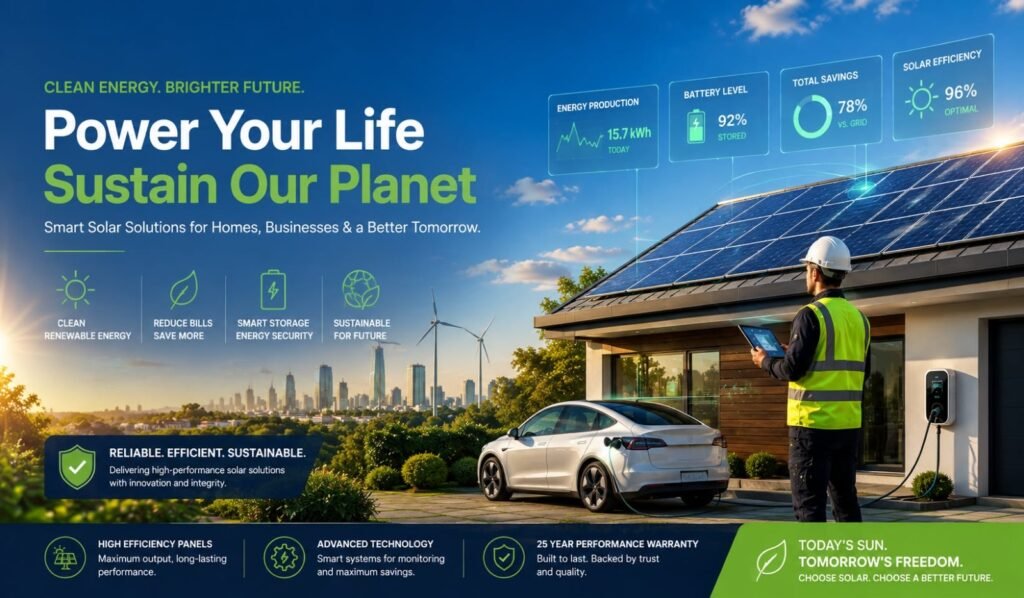
- Energy resilience options — Adding battery storage allows you to keep critical loads running during outages and optimize energy use under time-of-use rates.
Even after the expiration of certain residential federal incentives at the end of 2025, solar remains economically attractive in locations with moderate-to-high electricity rates, good sunlight, and supportive net metering or export policies.
Understanding the Financial Side: Costs, Savings, and Payback
The value of a solar investment depends on several local factors:
- Your current electricity rate and expected future increases
- Available sunlight (solar irradiance) at your location
- System size matched to your energy consumption
- Upfront cost and financing terms
- Local incentives, rebates, or performance-based payments that still exist
- Net metering or export compensation rules
In 2026, average residential installed costs in many markets typically range from roughly $2.50 to $3.50 per watt before any remaining incentives. A well-designed system often reaches payback in 8–14 years under average conditions, with faster returns in high-rate areas and slower returns where electricity is inexpensive. After payback, the system continues generating savings for many additional years.
Commercial and industrial projects frequently achieve stronger returns, supported by different tax treatment, depreciation benefits, and higher daytime energy demand that aligns well with solar production.
Financing choices significantly affect the outcome. Cash purchases or low-interest loans generally deliver the strongest long-term returns. High-interest loans or certain lease structures can reduce or eliminate net savings, so careful comparison of total cost of ownership is essential.
Types of Solar Energy Solutions
Modern solar solutions go beyond basic rooftop panels:
- Grid-tied solar systems — The most common residential option. Excess production can be credited through net metering where available.
- Solar plus battery storage (hybrid systems) — Increases self-consumption, provides backup power, and can improve economics under time-of-use pricing.
- Commercial and industrial solar — Larger rooftop or ground-mounted systems that offset high daytime loads and support sustainability reporting.
- Community solar — Allows participation without installing panels on your own property, useful for renters or shaded sites.
The right solution depends on your roof condition, energy usage patterns, budget, and local regulations.
Environmental and Sustainability Benefits
Solar energy produces electricity without direct greenhouse gas emissions during operation. By reducing demand for fossil-fuel generation, widespread solar adoption helps lower overall carbon intensity of the power system. For businesses, measurable emissions reductions support ESG goals and reporting requirements. For households, solar offers a tangible way to reduce personal environmental impact while gaining financial benefits.
Panels themselves have become more efficient and longer-lasting, while recycling programs for end-of-life modules continue to expand.
Key Considerations Before Investing
Solar is not automatically the best choice in every situation. Evaluate these points carefully:
- Roof condition, orientation, and shading
- How long you plan to stay in the property
- Local utility rates and policies
- Quality of equipment and installer reputation
- Realistic production estimates versus sales projections
- Total cost of ownership, including financing charges
- Maintenance needs and warranty coverage
A professional site assessment and multiple competitive quotes remain the best way to determine whether solar makes sense for your specific circumstances.
Making Solar Work for the Long Term
The strongest solar investments share common traits: high-quality equipment, transparent pricing, realistic performance expectations, and financing that does not erase the savings. Pairing solar with energy efficiency measures (better insulation, efficient appliances, or smart thermostats) further improves returns by reducing overall consumption.
Battery storage is increasingly paired with solar to capture more value from the energy produced, especially in markets with time-of-use rates or frequent outages.
Conclusion
Solar energy solutions continue to offer a compelling combination of cost control, long-term savings, and environmental benefits in 2026. While the exact financial outcome depends on location, electricity rates, system design, and financing, well-planned projects routinely deliver decades of lower energy costs after the initial investment is recovered.
For homeowners and businesses facing rising utility bills and seeking greater energy independence, solar remains one of the most practical and sustainable investments available. The key is to base the decision on clear numbers, local conditions, and reliable information rather than sales pressure.
If you are considering solar, start by reviewing your recent electricity bills, assessing your property’s suitability, and obtaining detailed proposals from reputable providers. A carefully chosen solar energy solution can deliver both financial returns and meaningful progress toward a more sustainable future.